
Article: How to Choose Wide Toe Box Shoes: 7 Mistakes to Avoid
How to Choose Wide Toe Box Shoes: 7 Mistakes to Avoid
Finding shoes that fit comfortably isn't always as simple as choosing your usual size.
You might have enough room from heel to toe, yet still feel pressure around the sides of your forefoot. Or you might buy a larger size to get more space, only to find that your heels slip when you walk.
That's where understanding wide toe box shoes and wide-width shoes becomes important.
Whether you're shopping for everyday walking shoes, comfortable work footwear, or casual slip-ons, avoiding a few common mistakes can help you find a better fit.
Here are seven mistakes to watch out for before buying your next pair.
1. Assuming a Bigger Shoe Size Means a Wider Fit
One of the most common mistakes is choosing a longer shoe when the real problem is width.
If your toes feel crowded, going up half a size might provide additional space. However, it can also make the shoe too long, potentially causing unwanted movement around the heel.
What to do instead:
-
Check whether the shoe is available in a wider width.
-
Measure both foot length and width.
-
Look for enough toe space without excessive heel movement.
-
Follow the brand's sizing guide rather than relying on your usual size alone.
Remember: A longer shoe isn't necessarily the right solution for wider feet.
2. Confusing Wide Toe Box Shoes with Wide-Width Shoes
These terms sound similar, but they describe different aspects of shoe fit.

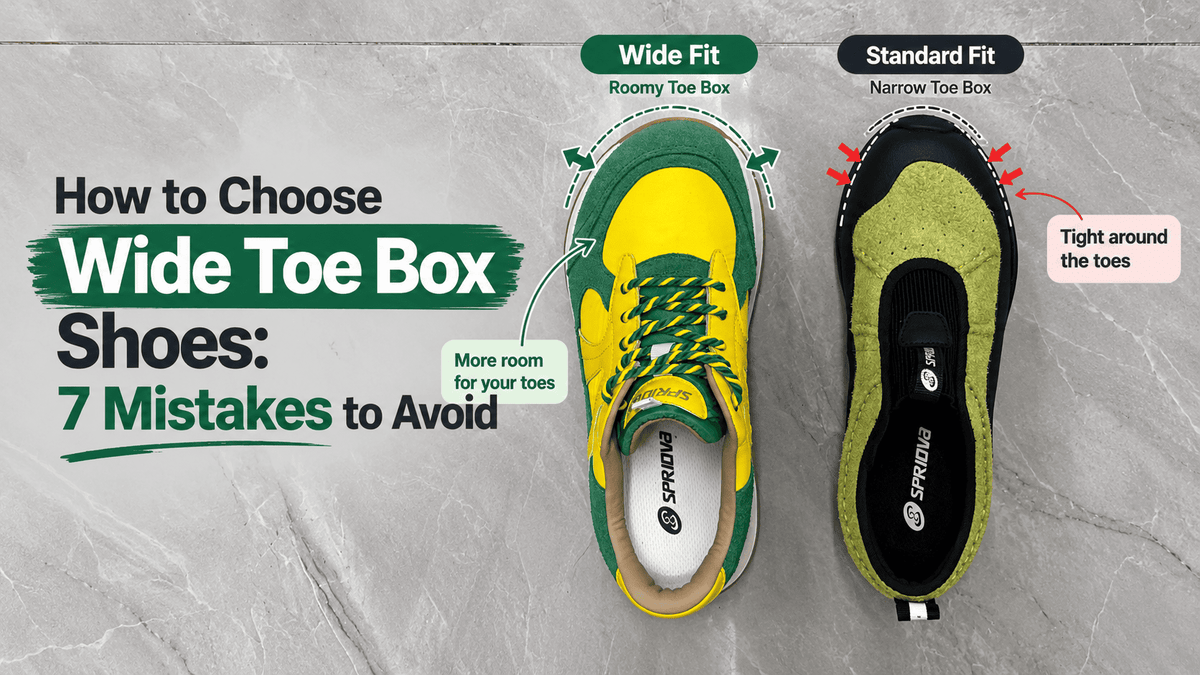
Wide Toe Box Shoes
These shoes are designed with additional space around the toes and forefoot. Their shape may allow the toes to spread more comfortably instead of feeling crowded.
Wide-Width Shoes
These shoes offer a wider fit based on the manufacturer's sizing system. The additional width may extend through different areas of the shoe, depending on its design.
For example, men's shoes commonly use the following width labels:
-
D — Standard width
-
2E (EE) — Wide width
-
4E — Extra-wide width
For women's shoes, B commonly represents standard width, while D often represents wide width.
However, width labels are not perfectly standardized across every brand.
What to do instead:
Consider both the shoe's width designation and the shape of its toe box. A wide-width shoe doesn't automatically guarantee the toe shape or space you're looking for.
3. Ignoring Your Natural Foot Shape
Not everyone's feet have the same shape.
Some people have wider forefeet, while others need additional space around the midfoot or instep. Two people wearing the same shoe size may have very different fit preferences.
A shoe that feels comfortable to one person may feel restrictive to another.
What to do instead:
Pay attention to where your shoes feel tight.
-
Toes feel squeezed? Check the toe box shape.
-
Forefoot feels compressed? Consider a wider fit.
-
Instep feels tight? Look at upper construction and adjustability.
-
Heel keeps slipping? Recheck the overall fit.
The goal is to find a shoe that accommodates your foot shape without feeling excessively loose.
4. Choosing Soft Cushioning Without Considering Support
A very soft shoe might feel comfortable when you first try it on.
But softness alone doesn't tell you how the shoe will feel during a full day of walking or standing.
For everyday comfort, it's worth considering how cushioning, support, and fit work together.

What to look for:
-
Cushioned insoles for underfoot comfort
-
Contoured midfoot support where appropriate
-
A stable, comfortable heel fit
-
A sole that suits your walking and standing activities
-
Enough room for your toes
The right balance depends on your foot shape, activity level, and personal comfort preferences.
At Spriova, our SOFTRIVA™ approach focuses on cushioned underfoot comfort and supportive insole design in applicable styles.
5. Overlooking Heel Fit When Choosing a Roomier Toe Box
More toe room is helpful only when the rest of the shoe fits properly.
A common mistake is focusing entirely on the front of the shoe while overlooking the heel.
If the shoe feels excessively loose around the heel, it may move more than you want during walking.
What to do instead:
When trying on wide toe box shoes, check three areas:
-
Forefoot: Your toes have comfortable space without excessive pressure.
-
Midfoot: The shoe feels secure without uncomfortable tightness.
-
Heel: Your heel stays reasonably stable as you walk.
A comfortable shoe should balance toe room with an appropriate overall fit.
6. Forgetting to Consider Your Daily Activities
Not all wide toe box shoes are designed for the same activities.
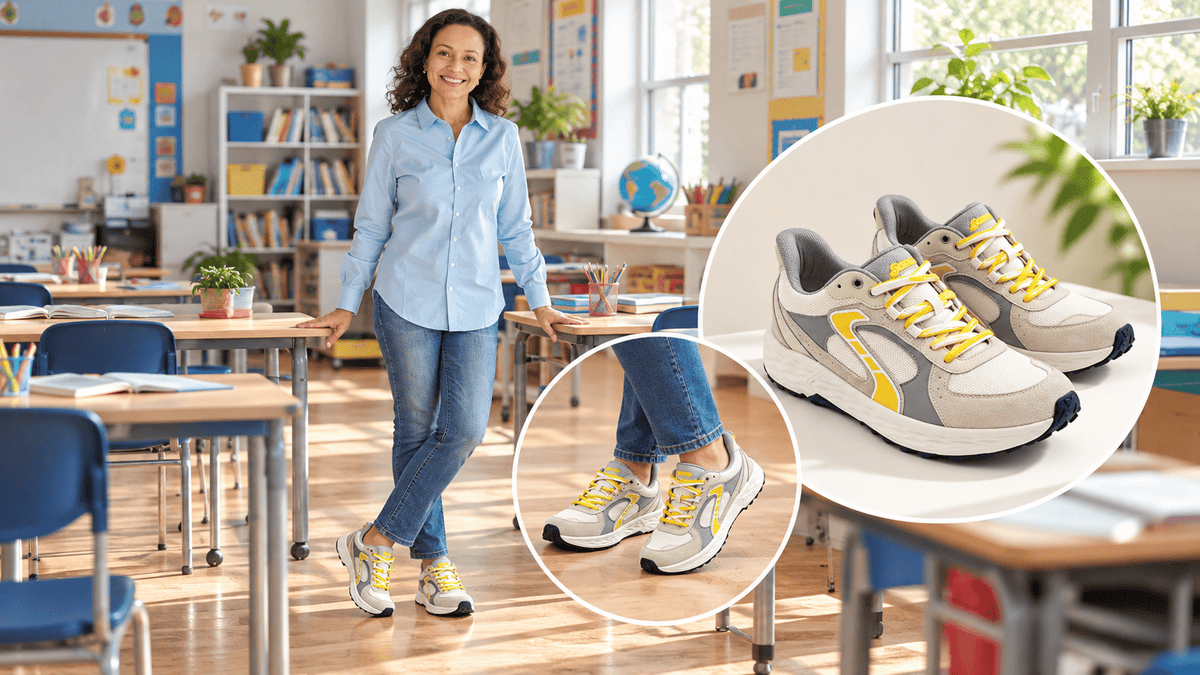
A pair that works well for short errands may not be your preferred choice for long workdays, frequent walking, or casual weekend outings.
Before buying, think about where and how you'll wear your shoes.
For everyday walking: Look for comfortable cushioning, a suitable fit, and an outsole appropriate for your walking surfaces.
For long periods of standing: Pay attention to underfoot comfort, support, and how the shoes feel after extended wear.
For commuting: Consider cushioning, convenience, and versatility.
For casual everyday wear: Look for a balance of fit, comfort, and personal style.
If your workplace requires specific footwear features, such as tested slip resistance or protective construction, check those requirements separately.
7. Assuming All Slip-On Shoes Offer the Same Convenience
Slip-on shoes can be convenient, but not every slip-on design works the same way.
Some styles have elastic openings or flexible uppers. Others are specifically designed to let you step in without using your hands.
This distinction matters if easy on-and-off convenience is a priority.
What to do instead:
Before buying, check whether the shoe offers:
-
A slip-on opening
-
A structured or supportive heel design
-
A secure fit during walking
-
A genuinely hands-free entry mechanism, if advertised
Slip-on and hands-free are not always the same thing.
If you want shoes that can be put on without bending down or using your hands, look for a demonstration of that specific feature.
What Should You Look for in Comfortable Wide Toe Box Shoes?
Now that you know the common mistakes, use this checklist when shopping.
Wide Toe Box Shoe Buying Checklist
- The toe box provides comfortable space for your toes.
- The shoe's width matches your foot shape.
- The heel fits securely without excessive slipping.
- The cushioning feels comfortable for your intended activities.
- The insole provides a suitable level of support.
- The outsole is appropriate for your walking environment.
- The shoe is easy to put on and take off if convenience matters.
- You've checked the brand's size and width guide.
Discover Everyday Comfort with Spriova
At Spriova, we believe comfortable footwear should bring together thoughtful fit, cushioning, and everyday convenience.
Our footwear approach focuses on three key elements:
ROOMFIT™ — Room to Move
A roomier forefoot design in select styles gives your toes additional space for comfortable everyday movement.
SOFTRIVA™ — Cushioned Support
Cushioned insole construction and contoured support help create a comfortable underfoot feel in applicable styles.
Easy-On Convenience
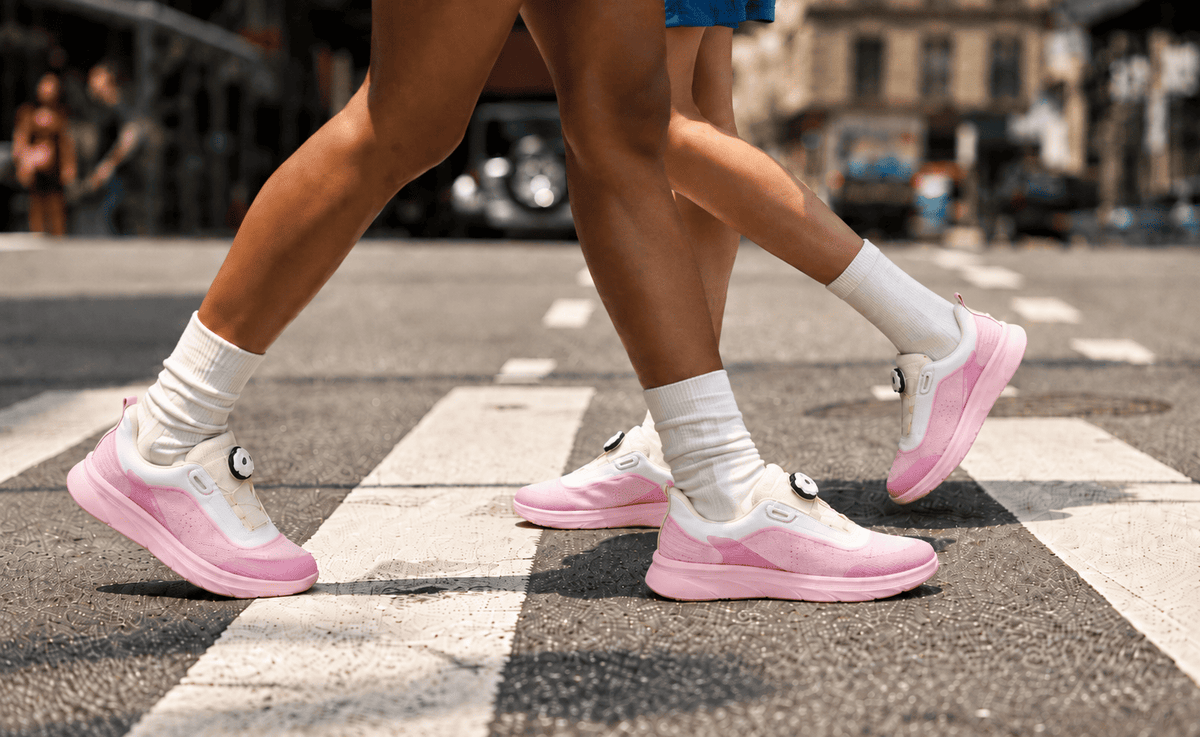
Selected Spriova shoes feature hands-free slip-on designs that make getting ready for the day more convenient.
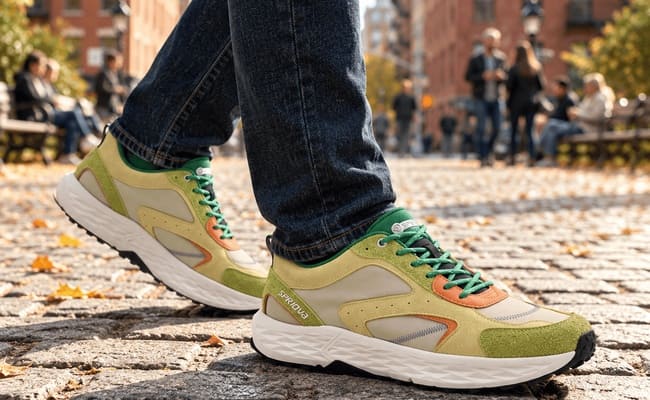
Explore our Urban Trek walking shoes and Motion Loafer styles to discover different combinations of roomy fit, cushioning, and everyday versatility.
Final Thoughts
Choosing comfortable wide toe box shoes is about more than finding a larger size or the softest sole.
The best approach is to consider toe room, overall width, cushioning, support, heel fit, and everyday use together.
Avoid these seven common buying mistakes, and you'll be better prepared to choose footwear that fits your feet and your daily routine.
More room. Cushioned comfort. Easier everyday movement.
Discover Spriova at spriova.com.
Frequently Asked Questions
Q1:Are wide toe box shoes the same as wide shoes?
A1:Not necessarily. A wide toe box refers to the space and shape around the toes, while wide-width sizing refers to the shoe's overall width designation. Some shoes offer both features.
Q2:Should I size up if my shoes feel too narrow?
A2:Not automatically. If the shoe length is correct but the sides feel tight, trying a wider width may be more appropriate than increasing the length.
Q3:Are wide toe box shoes good for standing all day?
A3:A roomier toe box may help reduce the feeling of crowding around the toes, but standing comfort also depends on cushioning, support, fit, and your individual needs.
Q4:What does 2E mean in men's shoes?
A4:2E, also written EE, commonly indicates a wide width in men's footwear. Exact fit can vary by manufacturer.
A5:Can wide toe box shoes also be slip-on shoes?
A5:Yes. Toe box width and entry design are separate features. Some roomy-fit shoes also offer slip-on or hands-free entry, depending on the specific model.





Leave a comment
This site is protected by hCaptcha and the hCaptcha Privacy Policy and Terms of Service apply.