
Article: Best Shoes for Teachers: A Comfort & Fit Guide
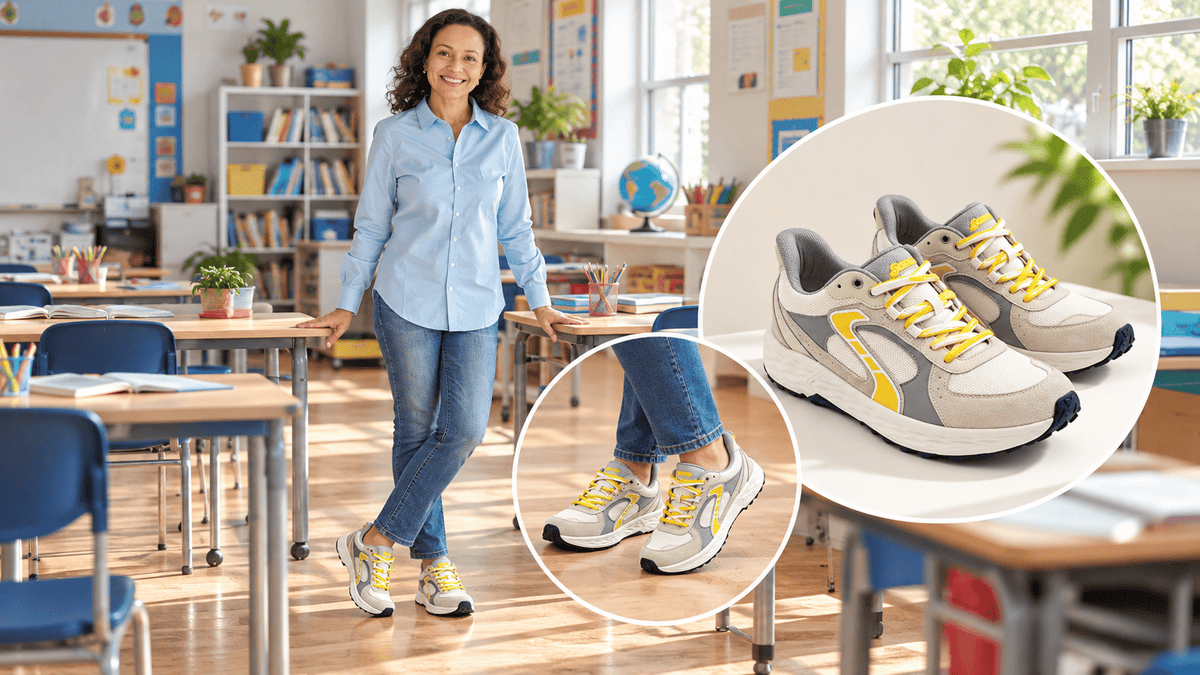
Best Shoes for Teachers: A Comfort & Fit Guide
Teaching keeps you moving. From standing at the front of the classroom to walking between desks, supervising hallways, and managing a busy school day, teachers spend a lot of time on their feet.
The right shoes can make those daily routines more comfortable. But finding the best shoes for teachers isn't just about choosing the softest cushioning or the most popular sneaker. It's about finding a balance of fit, support, flexibility, and everyday convenience.
And because everyone's feet are shaped differently, a shoe that feels comfortable for one teacher may not feel the same for another.
In this guide, we'll explore what to look for in comfortable shoes for teachers, how to recognize common fit problems, and why small adjustments inside your shoes can make a meaningful difference.
Why Do Teachers Need Comfortable Shoes?
A typical school day involves more movement than many people realize. Teachers may stand while presenting lessons, walk around the classroom to assist students, and move between rooms or buildings throughout the day.
Unlike a short walk or a quick trip to the store, teaching often involves switching repeatedly between standing still and walking.

That makes several footwear features especially important:
-
A comfortable fit: Enough room for your feet without excessive movement inside the shoe.
-
Cushioning: A comfortable underfoot feel on hard classroom floors.
-
Support: A stable, supportive feel during everyday standing and walking.
-
Convenience: Shoes that are easy to put on during busy mornings.
-
Reliable everyday traction: Outsoles suited to normal indoor and outdoor walking surfaces.
The best teaching shoes should feel comfortable not only when you first try them on, but also as you move through your usual school-day activities.
1. Start With the Right Fit, Not Just the Right Size
One of the most important things to understand when shopping for teacher shoes is that shoe size and shoe fit aren't exactly the same thing.
Two people may wear the same US shoe size but have different foot shapes. One may have a wider forefoot, while another may have a higher instep or a narrower heel.
These differences can affect how a shoe feels, even when its length is correct.
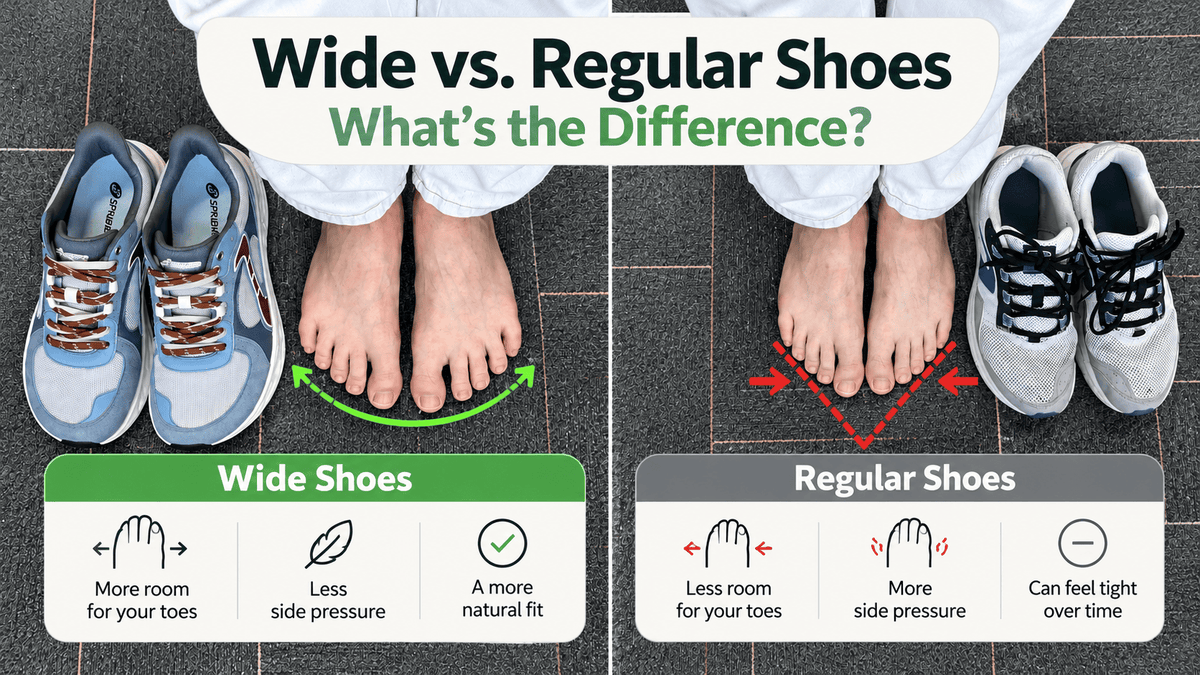
Look for enough room in the toe box
A roomy toe box gives your toes space to rest and move without feeling crowded.
For teachers who spend long periods standing or walking, it's worth checking whether the front of the shoe feels comfortable throughout the day.
If your toes feel squeezed together or pressed against the sides, consider a shoe with a more accommodating forefoot shape.
Pay attention to instep pressure
The instep is the upper part of your foot between the toes and ankle.
Some people have a higher instep, which can make the top of a shoe feel tight even when the length and forefoot width seem correct.
If you feel pressure across the top of your foot, the issue may be related to the shoe's internal volume rather than its length alone.
Check for heel movement
A shoe that feels comfortable around the toes may still be slightly loose at the heel.
A small amount of movement can occur while walking, but excessive heel slipping can make a shoe feel less secure.
The goal is to find a fit that feels comfortable across the entire foot, not just in one area.
2. Choose Cushioning and Support for Long School Days
Teachers often spend time standing and walking on firm surfaces, including classroom floors, corridors, and school entrances.
Cushioning and support can influence how comfortable shoes feel during these activities.
Cushioning for everyday comfort
Cushioned insoles and midsoles can provide a softer feel underfoot.
However, more cushioning isn't automatically better for everyone. Some people prefer a softer ride, while others feel more comfortable with a firmer, more stable platform.
When trying on shoes, pay attention to how the cushioning feels while both standing and walking.
Support that matches your preferences
A contoured insole may provide a more supportive feel through the midfoot.
But foot shapes and support preferences vary. The most comfortable option is one that feels natural under your foot rather than creating pressure in an uncomfortable area.
For teachers, the ideal combination is cushioning that feels comfortable and support that works with their individual foot shape.
3. Why Adjustable In-Shoe Fit Matters
Most shoes are built around a particular size and shape. But real feet don't all follow the same dimensions.
Even when a shoe is the correct length, differences in instep height, foot volume, and heel shape can affect the fit.
That's why small fit adjustments can be useful.
At Spriova, our approach is simple: rather than expecting every foot to feel the same inside a shoe, we offer ways to fine-tune the fit for different preferences.
Option 1: Two Insole Thicknesses for Different Fit Needs
For applicable Spriova shoes, two insole thickness options allow you to adjust how the shoe feels inside.

Thicker insole: More cushioning and support
The thicker insole is designed to provide a cushioned, supportive underfoot feel.
It may be a good choice for teachers who prefer more cushioning during long periods of standing or walking.
Thinner insole: More room inside the shoe
The thinner insole takes up less space inside the shoe.
This creates additional internal room, which may help if the upper feels slightly snug over the instep.
For example, if the shoe length feels right but you notice mild pressure across the top of your foot, switching to the thinner insole may provide a more comfortable fit.
The thinner option changes the amount of space inside the shoe; it doesn't change the shoe's actual length or width.
Option 2: Heel Fit Pads for a More Secure Feel
Some people have a narrower heel relative to the rest of their foot.
In these cases, a shoe may feel comfortable through the forefoot but slightly loose around the back.
For applicable Spriova shoes, heel fit pads provide another way to fine-tune the fit.
These pads are designed to take up a small amount of extra space around the heel, helping improve contact between the shoe and the back of the foot.
They can be particularly useful when a shoe feels only slightly loose.
However, heel pads are not a substitute for choosing the correct shoe size. If a shoe is substantially too large, trying a smaller size is usually the better starting point.
A Better Fit Starts With Understanding Your Feet
The key takeaway is that comfort isn't determined by shoe length alone.
Toe room, instep height, heel fit, and underfoot feel all play a role.
Being able to make small adjustments can help you find a more personalized fit without immediately changing to a different shoe size.
4. Consider Easy-On Shoes for Busy School Mornings
Teachers often have packed schedules before the first class even begins.
Easy-on footwear can make getting ready a little more convenient.
Hands-free slip-on shoes are designed to let you step into them without using your hands to pull up the heel, when used as intended.
This can be useful when you're heading out the door, changing shoes, or simply prefer a quicker way to get dressed.
However, convenience should never come at the expense of fit.
A good hands-free shoe should still feel secure around your heel and comfortable during everyday walking.
If hands-free entry matters to you, look for shoes specifically designed for that function rather than assuming every slip-on shoe works the same way.
5. Don't Overlook Slip Resistance
While cushioning and fit often get the most attention, slip resistance is another important factor when choosing shoes for teachers.
Teachers regularly move between classroom floors, hallways, parking lots, and outdoor walkways, where surface conditions can vary throughout the day.
Spriova shoes feature textured outsoles with independently tested slip-resistant performance, designed to provide reliable traction for everyday walking and movement.
Combined with comfortable cushioning and a secure fit, a slip-resistant outsole can help teachers feel more confident as they move through their busy school days.
6. How to Find the Best Fit for Your Teaching Day
Before deciding on a pair of shoes, try this simple checklist:
-
Check the length. Make sure your toes have enough room at the front without the shoe feeling excessively long.
-
Check the forefoot. Your toes shouldn't feel crowded or compressed.
-
Check the instep. Notice whether the upper creates uncomfortable pressure across the top of your foot.
-
Walk around. Pay attention to heel movement and overall stability.
-
Evaluate the cushioning. Make sure the underfoot feel suits your comfort preferences.
-
Consider fit adjustments. If the shoe is only slightly snug or loose, compatible insoles or heel pads may help fine-tune the fit.
Try shoes with the type of socks you normally wear to school. If possible, test them while standing and walking rather than judging the fit only while seated.
7. Explore Spriova Walking Shoes for Teachers
If you're looking for comfortable shoes for teachers, Spriova offers walking shoe options designed around everyday comfort and fit.
Urban Trek · Roomy Forefoot
For teachers who prioritize space around their toes, Urban Trek · Roomy Forefoot features a more accommodating forefoot design and cushioned comfort for everyday walking.
It's worth considering if you prefer additional toe room during busy school days.
Explore Urban Trek · Roomy Forefoot

Urban Trek · Roomy Forefoot
Roomier toe space and cushioned comfort for long school days.
Explore Roomy Forefoot →Urban Trek · Cushioned Support
For teachers who place more emphasis on underfoot comfort, Urban Trek · Cushioned Support focuses on cushioning and a supportive feel for everyday movement.
It's an option to explore if your school day includes frequent transitions between standing and walking.
Explore Urban Trek · Cushioned Support

Urban Trek · Cushioned Support
Cushioned underfoot comfort and supportive design for long school days spent standing and walking.
Explore Cushioned Support →Before purchasing, review each product's size guide, width information, construction, and included fit accessories to find the option that best matches your needs.
Final Thoughts: The Best Teaching Shoes Should Fit Your Feet
Finding the best shoes for teachers isn't about choosing the thickest sole or the trendiest sneaker.
It's about understanding how your feet fit inside your shoes.
A roomy forefoot, comfortable cushioning, appropriate support, and secure heel fit can all contribute to a better everyday wearing experience.
And when small adjustments are needed, options such as different insole thicknesses and heel fit pads can help personalize the fit.
Your shoes should work with your feet—not the other way around.
Explore Spriova walking shoes and find the combination of fit and comfort that works for your school day.
Frequently Asked Questions
Q1:What are the best shoes for teachers who stand all day?
A1:The best shoes for teachers are those that fit properly and offer a comfortable combination of toe room, cushioning, support, and everyday practicality. The right choice depends on your foot shape, personal preferences, and school environment.
Q2:Are wide toe box shoes good for teachers?
A2:Wide toe box shoes may be a good option for teachers who prefer more space around their toes. However, a roomy toe box doesn't automatically mean the entire shoe is wide, so it's important to check the shoe's width and fit information.
Q3:Should teachers choose thick or thin insoles?
A3:It depends on their fit and comfort needs. A thicker insole may provide more cushioning and support, while a thinner insole can create additional space inside the shoe. Always use insoles that are compatible with the footwear.
Q4:What if my shoes fit in the toes but slip at the heel?
A4:First, check whether the shoe length is correct. If the shoe is only slightly loose at the heel, a compatible heel fit pad may help improve the fit. If it feels significantly oversized, consider a different size or shoe shape.
Q5:Are hands-free shoes suitable for teachers?
A5:Hands-free shoes can be a convenient option for teachers who want easy on-and-off footwear. Look for a secure fit, comfortable cushioning, and a design appropriate for your daily activities.





Laisser un commentaire
Ce site est protégé par hCaptcha, et la Politique de confidentialité et les Conditions de service de hCaptcha s’appliquent.